
Preparing a nursery is an exciting milestone when welcoming a newborn into your home. Designing this space involves balancing gentle comfort with essential safety guidelines to support smooth daily routines. By organizing the room into clear functional zones and keeping safe sleep standards at the center of your plan, you can create a peaceful environment for both you and your baby.
Planning Nursery Zones and Safe Furniture Placement
Structuring the nursery into functional areas helps simplify daily routines such as sleep, changing, and feeding. Placing cribs and bassinets away from windows, drapery cords, heaters, lamps, and wall-hanging items reduces potential hazards. Ensure dressers, bookcases, and heavy storage pieces are securely anchored to the wall, keeping small items and electrical cords completely out of reach.
- Position cribs clear of window blinds and electrical cords
- Anchor dressers and bookcases firmly to wall studs
- Arrange diapering supplies within easy adult reach
Creating a Safe and Calm Sleep Environment
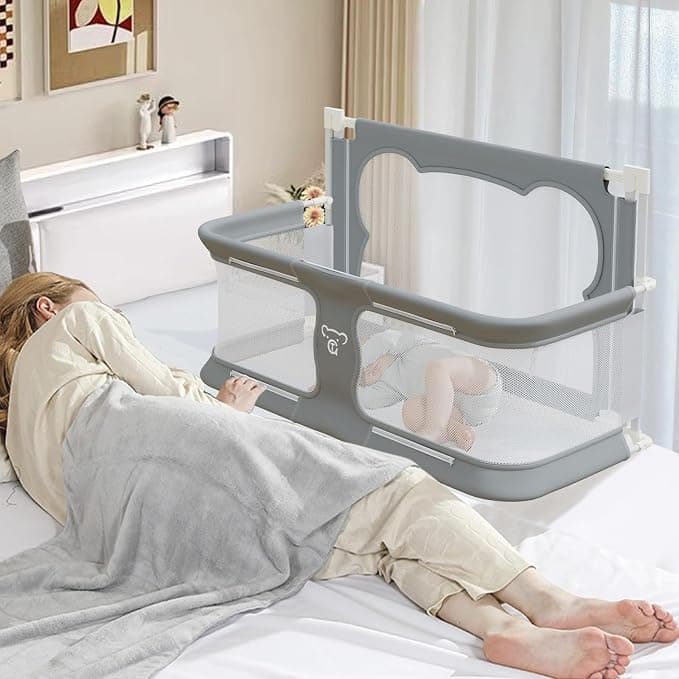
A safe sleep space relies on a firm, flat mattress fitted tightly with a simple sheet in a safety-approved crib or bassinet. Babies should always be placed on their back to sleep. Keeping soft items like pillows, stuffed animals, positioners, crib bumpers, and heavy blankets out of the crib supports safe sleep guidelines.
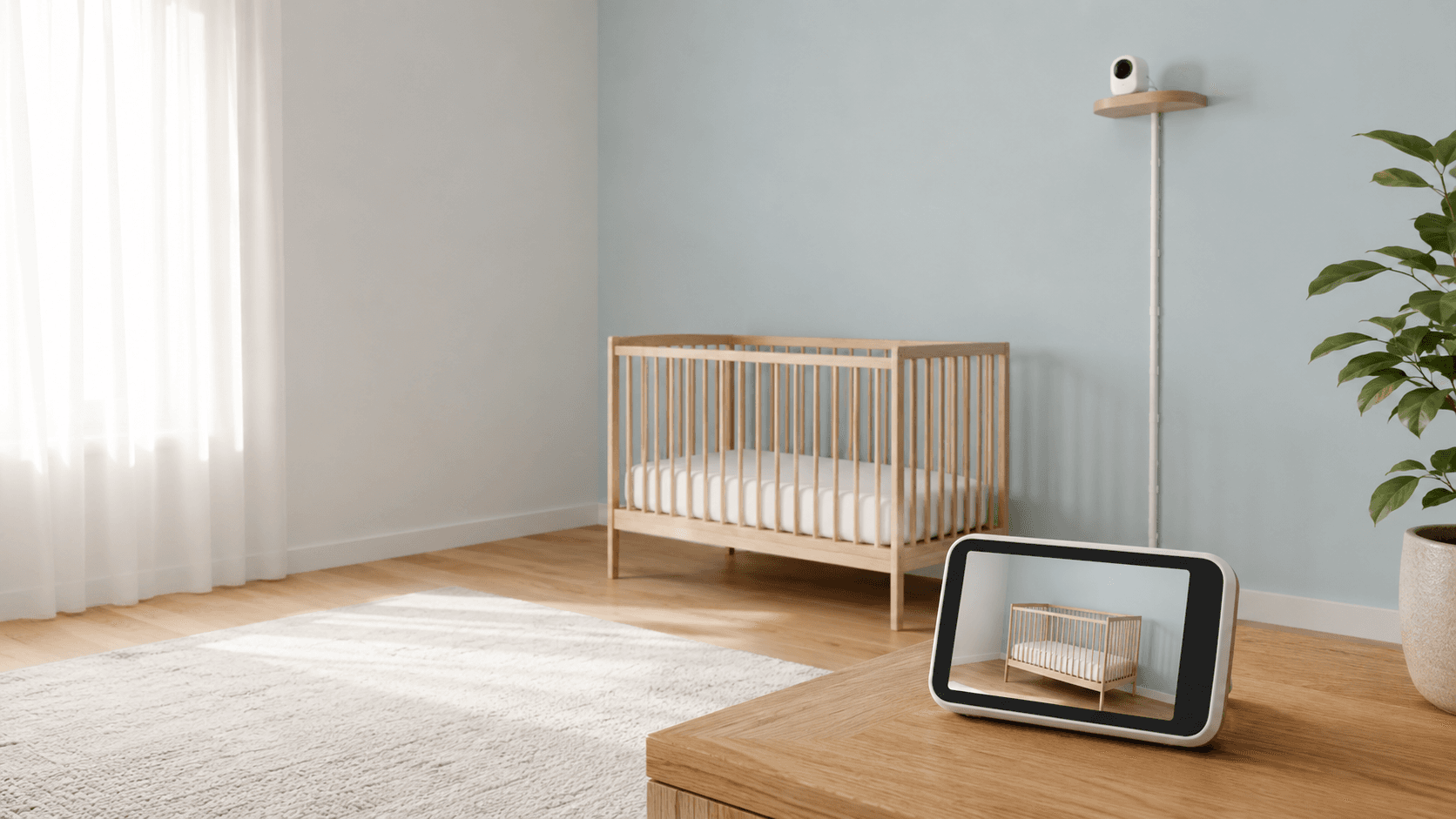
Dimmable lights and blackout window coverings help create a soothing atmosphere for naps and night sleep. If using a baby monitor, ensure the device and its power cords remain securely mounted at least three feet away from the crib.
- Use a firm, flat mattress with a snug fitted sheet
- Keep cribs free of soft toys, pillows, and loose bedding
- Mount monitor cables well out of baby's reach
Setting Up Functional Feeding and Changing Stations
Designate a comfortable, well-lit corner for feeding with a supportive chair and a small side table for water and essentials. Having a soft, low-wattage night-light nearby keeps nighttime feedings calm and minimizes sleep disruption for both parent and child.
At the changing station, organize diapering supplies, ointments, and extra clothing in nearby drawers or baskets so an adult hand can remain on the baby at all times. Keep small objects, creams, and plastic packaging safely stored away from little hands.
- Include a supportive chair for feeding sessions
- Use dim or indirect lighting for middle-of-the-night care
- Keep diapering essentials organized within adult reach
Items to Skip and Final Safety Checks
When decorating, aim for simple comfort without excessive clutter. Items such as decorative crib bumpers, sleep positioners, heavy decorative blankets, and surplus furniture can often be skipped in favor of open, navigable floor space.
Before baby arrives home, inspect the room for loose outlets, dangling cords, or trip hazards like loose rugs. Always follow product assembly instructions and check current local guidelines or pediatrician advice when setting up equipment.
- Skip decorative bumpers and crib positioners
- Cover open electrical outlets and secure loose cables
- Review product instructions and recall updates regularly
Ready to explore?